
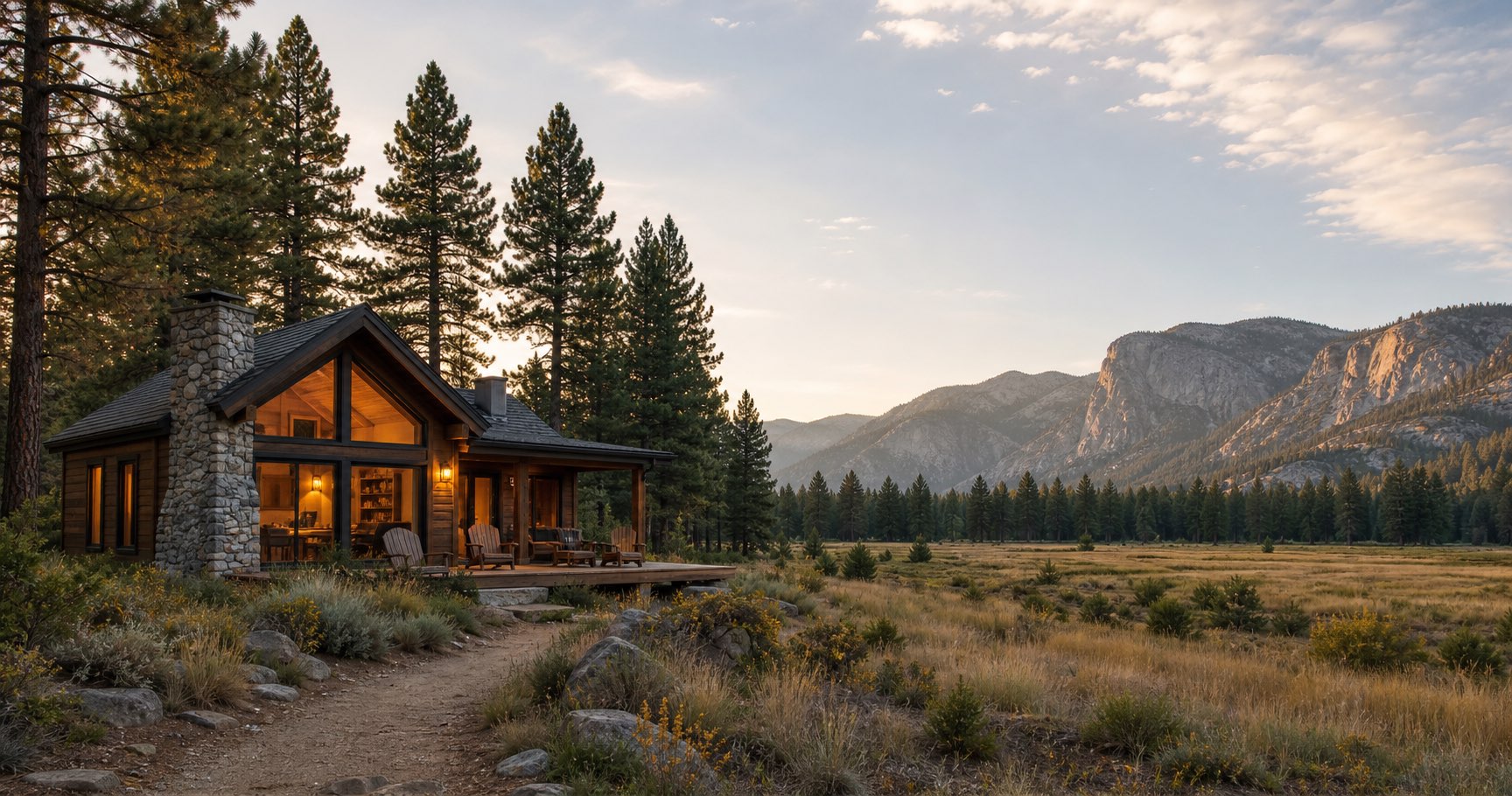
Cabin charger verification
Get eight facts in writing.
| Fact | What to ask |
|---|---|
| Equipment | Is this installed EV charging equipment or permission to use a receptacle? |
| Connector | What connector is attached, and must the guest bring an adapter or portable cordset? |
| Power | What voltage, amperage, and maximum continuous output are available? |
| Circuit | Is it dedicated, correctly protected, and approved by the owner for vehicle charging? |
| Access | Is charging exclusive to the rental, shared, blocked by snow, or behind a network activation? |
| Parking | Can the vehicle reach without stretching a cable across a walking or driving path? |
| Cost | Is charging included, metered, time-limited, or subject to a separate fee? |
| Reliability | When was it last used successfully, and what support exists if it fails? |
Never assume an extension cord, dryer receptacle, or ordinary outdoor outlet is permitted or suitable. Use only the vehicle and charging-equipment manufacturer's instructions and the property setup the owner has explicitly approved.
Route math
Plan from the last dependable fast charge, through the park, to the next one.
1. Arrive with a chosen reserve.
Set an arrival state-of-charge target based on the vehicle, weather, elevation, park mileage, and the consequence of a failed cabin charge. Avoid using one universal percentage for every trip.
2. Count the park day.
Add the round trip from cabin to entrance, all in-park scenic-road miles, cold-weather heating or hot-weather cooling, elevation changes, and the distance to a backup station.
3. Use the real overnight rate.
Estimate energy from the verified cabin output and the vehicle's own charging limit. DOE notes that charging time varies with battery state, capacity, equipment output, and the vehicle's onboard charger.
4. Protect departure.
Do not schedule the longest park day immediately before checkout unless the cabin can restore enough range overnight with margin. Know the first open backup charger on the outbound route.
Public stations
A map pin proves location, not availability.
Use the US Department of Energy Alternative Fueling Station Locator to identify stations by connector and access, and the NPS electric-vehicle map for chargers within parks and some gateway communities. Then verify current network status, operating hours, access rules, parking fees, and whether the station is behind a seasonal gate.
- Check at least two charging sources or the operator's current app when possible.
- Read recent status without assuming a recent successful session guarantees the next one.
- Save station address, network, support number, and backup station offline.
- Confirm whether a park pass, hotel stay, access code, or business purchase is required.
- Do not count every connector at one site as an independent backup.
DOE's consumer guidance notes that the Station Locator includes phone numbers, allowing drivers to call ahead. A call can clarify access; it cannot reserve a functioning port unless the operator explicitly offers reservations.
Range changers
Use the vehicle's live estimate, then add judgment.
Cold and cabin heat
Low temperature and cabin heating can change consumption and charging behavior. Precondition while connected when the vehicle supports it.
Elevation
A mountain climb consumes more energy; descent may recover some, but never budget the trip on perfect regeneration.
Snow and detours
Road closures can force a longer gateway route. Save enough range to follow the legal detour rather than the shortest map line.
Weak connectivity
Download network apps, create accounts, and save payment methods before the remote corridor. Keep a physical payment fallback where supported.
Failure plan
The trip should survive one unavailable charger.
- Stop at the last reliable fast charger rather than passing it with a thin arrival margin.
- Message the host immediately if the cabin equipment fails; do not repair or rewire it.
- Reduce discretionary scenic mileage and protect the distance to the backup.
- Use the verified alternate public station before the battery forces the only choice.
- Record the failed amenity and host response if charging was a material advertised feature.
Ready-to-send host message
Source note
Charging guidance reviewed August 29, 2026.
Charging terminology, station-locator capabilities, public-station context, and park-charger mapping were checked against US Department of Energy and National Park Service information. Vehicle-specific planning should follow the manufacturer.