
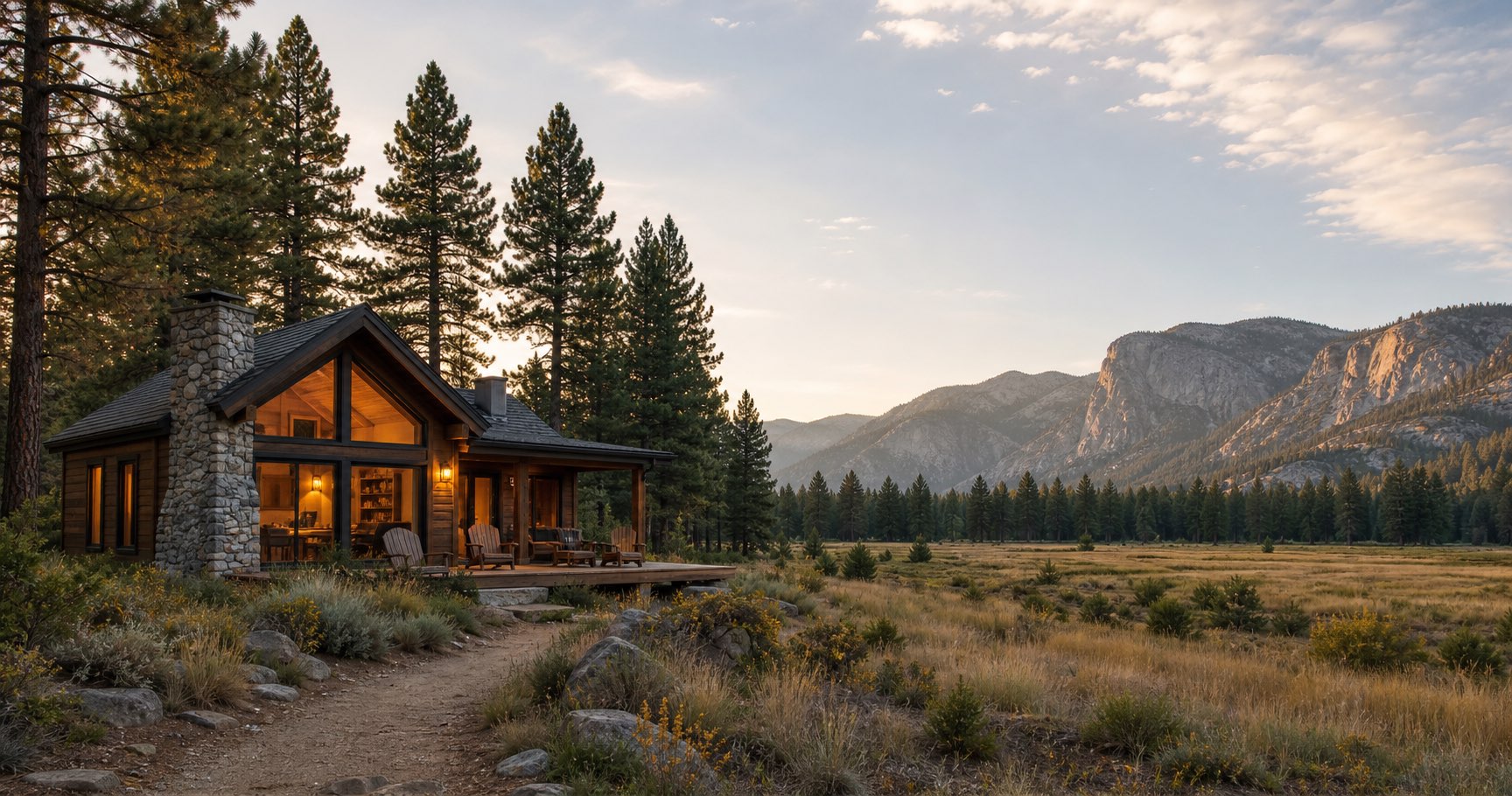
The 2 p.m. test
Picture everyone returning earlier than planned.
The boots are wet. Lunch was late. One person wants a shower, one wants silence, and the trail clothes need somewhere to go. Now look at the listing again. A dramatic window does not solve this scene. A covered entry, hooks, steady heat, hot water, laundry, and enough chairs might.
An Olympic cabin is part lodging, part gear room, and part weather plan.
The room that matters
Inspect the entry before the living room.
Look for a roof over the door, a surface that can handle mud, and a route to the laundry that does not cross the rug. Ask whether the dryer is full-size and whether the heat recovers quickly after the door has opened all afternoon. These details are rarely the lead photograph, but they determine how the second wet day feels.
The route decision
Rain is not the only reason to change regions.
Olympic is too large for one weather forecast to describe every plan. A coast morning, rainforest walk, and mountain day may each behave differently. Keep one day movable, but do not use flexibility as an excuse to cross the peninsula repeatedly. A Port Angeles base still belongs to northern days; a Forks base still belongs to rainforest and coast days.
The indoor afternoon
Give the cabin one job besides recovery.
Choose a place where the group can cook something that takes time, watch weather move through trees, read without competing with the television, or spread a map across a proper table. The goal is not to recreate an activity center. It is to make staying in feel intentional for a few hours.
The booking question
Ask the owner where six wet jackets go.
Adjust the number for your group. A specific answer is more useful than “cozy year-round.” Follow with the water-heater capacity, driveway drainage, generator or outage plan, and whether the final road collects standing water.
Continue planning
Build a route that can absorb weather.
Compare Port Angeles and Forks